Roofs Cleaned Without Damaging Shingles or Flashing
Roof Cleaning in Cumberland for residential properties showing black algae streaks, moss growth, or lichen accumulation
Black streaks running down asphalt shingle roofs signal Gloeocapsa magma algae colonization, which feeds on limestone filler in shingles and spreads across roof planes exposed to moisture. Moss and lichen growth follows, particularly on north-facing slopes and shaded sections where water evaporates slowly. These organisms retain moisture against roofing materials, accelerating granule loss and shortening roof lifespan while degrading curb appeal. Roof cleaning removes algae, moss, and lichen using low-pressure methods that protect shingles, flashing, and roof penetrations from the damage that high-pressure washing causes. Siege Pressure washing serves residential properties throughout Cumberland and surrounding Rhode Island areas where humid conditions promote rapid organic growth on roof surfaces.
The cleaning process applies specialized solutions that kill algae spores and dissolve the root structures of moss and lichen, followed by gentle rinsing at pressures below 500 PSI to avoid lifting shingle tabs or forcing water under roofing layers. Treatment formulas are biodegradable and safe for surrounding landscaping, gutters, and downspouts. Rhode Island's seasonal freeze-thaw cycles worsen damage from organic growth as trapped moisture expands and contracts, making timely cleaning essential for preserving roof integrity.
Schedule a roof inspection to evaluate current organic growth and determine appropriate cleaning treatment.
What Proper Roof Cleaning Accomplishes
Safe roof cleaning requires understanding how different organisms attach to shingles and what removal methods avoid granule loss or seal damage. Algae forms surface colonies that respond to chemical treatment, while moss develops rhizoids that penetrate between shingle layers and require careful loosening before rinsing. Pressure above 600 PSI strips protective granules and shortens remaining roof life, making soft washing the only method that cleans without causing premature replacement.
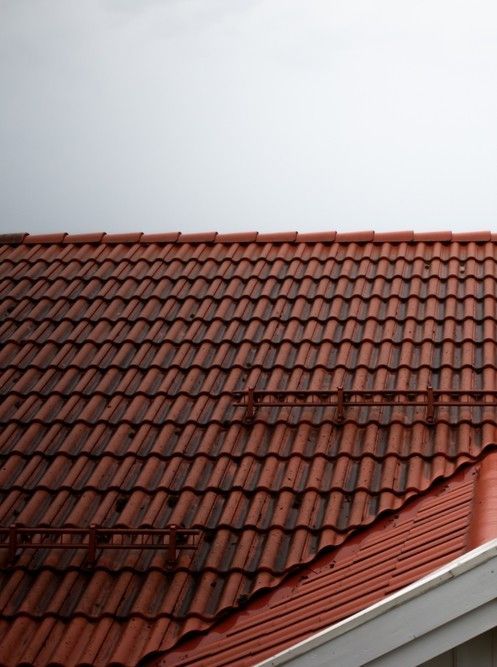
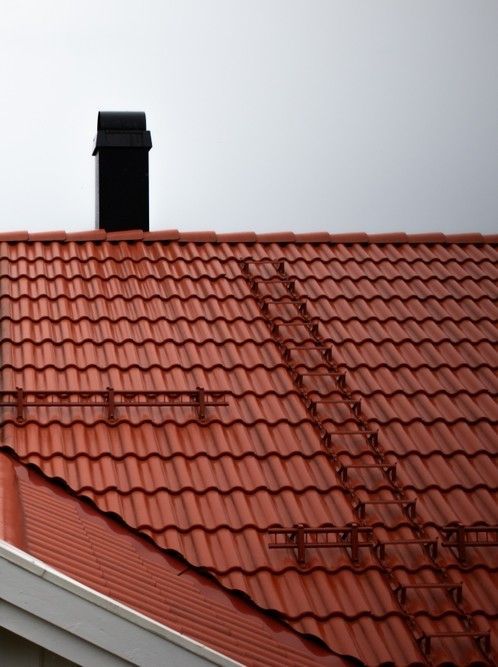
After roof cleaning, dark streaks disappear and shingles return to their original color as dead algae rinses away. Moss patches lift cleanly without leaving torn shingle edges or exposed underlayment. The roof appears uniformly colored rather than blotched, and the absence of living growth means less moisture retention and slower recontamination compared to untreated roofs where organisms regrow within a season.
Cleaning includes clearing debris from valleys and behind chimneys where organic matter collects and holds moisture. The service does not repair damaged shingles, worn flashing, or compromised seals, which require separate roofing contractor evaluation if identified during inspection.
Questions Before Starting Your Project
Homeowners considering roof cleaning often ask about safety, effectiveness, and how the process compares to roof replacement options.
What causes the black streaks that appear on asphalt shingle roofs?
Gloeocapsa magma algae creates these streaks by forming colonies that feed on the limestone in shingle composition. The algae produces a dark protective layer that resists rain rinsing and spreads across roof surfaces over time.
How does low-pressure cleaning remove moss without damaging shingles?
Cleaning solutions break down the root structures that anchor moss to shingles, allowing it to release during gentle rinsing. High-pressure washing tears moss away forcefully and takes shingle granules with it, which accelerates wear.
When should a roof be cleaned instead of replaced?
If the underlying shingle structure remains intact without widespread curling, cracking, or granule loss, cleaning restores appearance and extends roof life. Roofs with structural damage or nearing the end of their warranty period require replacement rather than cleaning.
How long do roof cleaning results last in Cumberland's climate?
Treated roofs typically remain free of visible algae and moss for 18 to 24 months, though shaded areas and properties with heavy tree cover may see faster recolonization due to persistent moisture and organic debris.
What safety measures are used during roof cleaning?
Trained professionals use fall protection equipment, non-slip footwear, and controlled application methods that avoid walking on fragile or steep roof sections. Cleaning solutions are applied from ladder positions or roof edges to minimize shingle stress.
Siege Pressure washing uses safe cleaning practices performed by trained professionals who understand how to remove organic growth without compromising roof integrity. Request a free quote to assess your roof's current condition and cleaning requirements.