Surfaces Cleaned Without Damaging the Material
Soft Washing in Cumberland for vinyl siding, stucco, and painted surfaces showing algae streaks or dark staining
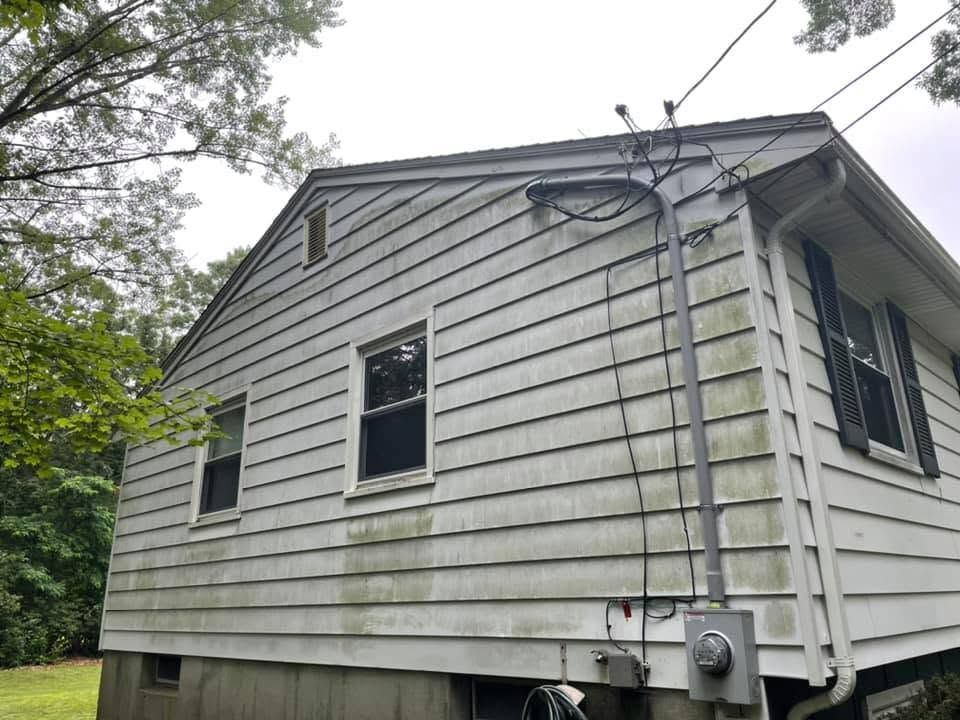
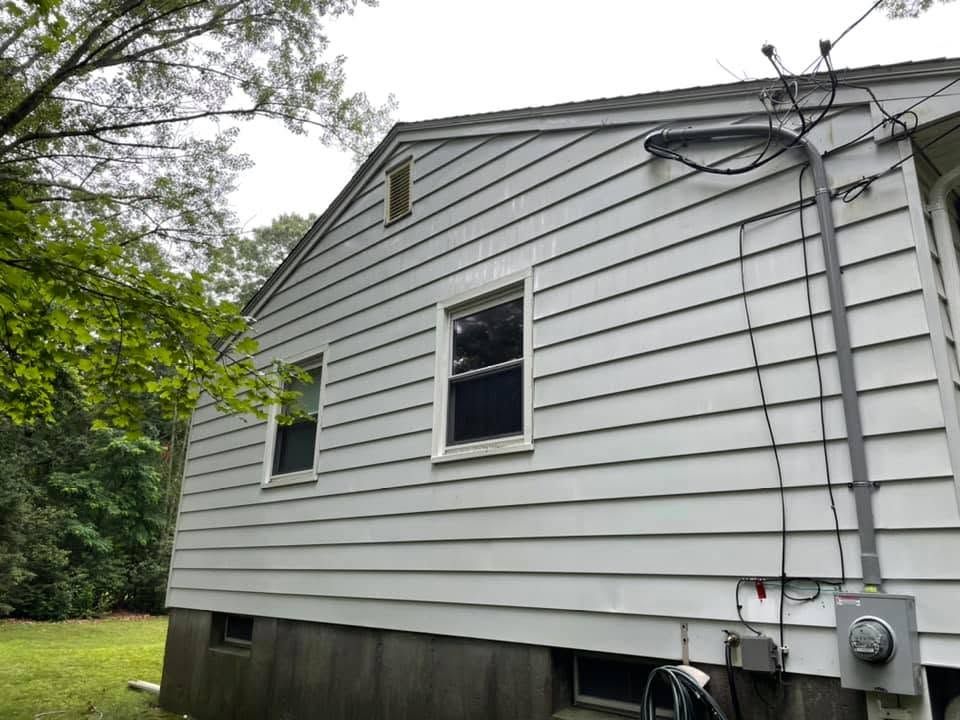
Algae, mildew, and mold spread across exterior surfaces in humid climates, leaving dark streaks that pressure alone cannot remove without causing damage. Siege Pressure washing applies soft washing to homes in Cumberland and surrounding Rhode Island communities where organic growth appears on siding, trim, and other delicate exterior materials. The process uses specialized cleaning solutions at low pressure to break down buildup at the root level rather than blasting it off, which protects the surface while delivering longer-lasting results than water pressure alone.
Soft washing involves applying biodegradable cleaning agents formulated to kill algae, mold, and mildew spores, followed by a controlled rinse that removes residue without forcing water under siding or stripping paint. New England's seasonal moisture and temperature swings create ideal conditions for organic growth, making chemical treatment more effective than repeated high-pressure washing that can wear down surfaces over time.
Schedule a property assessment to determine which surfaces require soft washing treatment.
Why Cleaning Solutions Outlast Pressure Alone
Soft washing treats the biological cause of staining rather than just removing the visible layer. Commercial-grade solutions penetrate porous materials like stucco and wood, killing spores embedded below the surface that would otherwise regrow within months. Pressure washing without treatment leaves roots intact, leading to faster recontamination.
After soft washing, you will notice uniform color return across treated surfaces as organic stains dissolve and rinse away. Siding that appeared darkened or streaked regains its original tone, and the absence of living growth means surfaces stay cleaner through seasonal weather changes. Treated areas resist new algae colonization longer because the cleaning agents eliminate the biofilm layer that allows organisms to adhere and spread.
The service includes surface evaluation before treatment to match cleaning strength to material type, ensuring painted wood receives gentler solutions than vinyl or composite materials. Post-treatment rinsing follows manufacturer guidelines for each surface to prevent residue while maximizing cleaning effectiveness.
What Homeowners Ask About Soft Washing
Questions about soft washing often focus on how it differs from standard pressure washing and what results to expect on specific surfaces.
What makes soft washing different from power washing?
Soft washing uses chemical cleaning agents at pressures below 500 PSI, while power washing relies on water pressure between 1,500 and 3,000 PSI. The chemical approach removes organic growth without risking surface damage that high pressure can cause on siding, paint, or stucco.
How long do soft washing results last compared to pressure washing?
Treated surfaces typically remain free of algae and mildew for 12 to 18 months in Cumberland's climate, whereas pressure washing alone often shows regrowth within 3 to 6 months because it does not kill underlying spores.
When is soft washing needed instead of regular pressure cleaning?
Any surface showing green, black, or brown organic staining requires soft washing, as does painted wood, aged vinyl siding, stucco, and EIFS that can be damaged by high-pressure water.
What surfaces should not be soft washed?
Soft washing works on nearly all exterior building materials, but bare metal and certain natural stone types may require adjusted cleaning formulas to prevent etching or discoloration.
How does New England weather affect the need for soft washing?
Rhode Island's humid summers and freeze-thaw cycles create persistent moisture on north-facing walls and shaded areas, which accelerates algae and mold growth and makes soft washing a more effective long-term solution than repeated pressure cleaning.
Siege Pressure washing uses commercial-grade equipment and surface-specific cleaning protocols to restore exterior appearance without risking material damage. Request a free estimate to evaluate which cleaning method suits your home's current condition and surface types.